

Tensions between India and Pakistan have intensified again in 2026 along the Line of Control (LoC), with multiple reports indicating increased military vigilance, surveillance operations, and strategic deployments. While no full-scale conflict has been reported, the situation remains highly sensitive.
📍 What Triggered the Latest Tension?
The recent developments appear to be linked to a combination of tactical and strategic factors:
- Rise in ceasefire violation reports in key sectors
- Intelligence inputs suggesting infiltration attempts
- Increased troop movement and logistical activity near forward areas
- Such patterns have historically been early indicators of heightened alertness rather than immediate war, but they demand close monitoring.
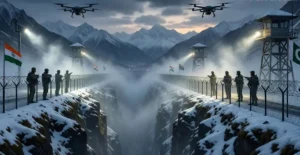
🇮🇳 India’s Strategic Response

India has adopted a proactive and defensive posture to counter any escalation:
- Deployment of advanced surveillance systems, including drones
- Reinforcement of troops in vulnerable sectors
- Strong diplomatic stance emphasizing zero tolerance toward infiltration
- Indian defence officials have reiterated that any hostile action will receive a firm and proportionate response.
🇵🇰 Pakistan’s Position and Ground Signals
Pakistan has officially denied initiating escalation and continues to advocate for peace dialogue. However, on-ground indicators suggest:
Elevated alert levels in military units near the LoC
Tactical positioning in sensitive regions
This gap between official statements and ground activity adds complexity to the situation.
📊 Timeline of Recent Developments
TimeframeKey EventEarly 2026Increased surveillance reports along LoCMid 2026Rise in ceasefire violationsRecent DaysTroop movement and strategic positioning
🌍 Global Reaction and Diplomatic Pressure
The international community is closely observing the developments:
Major global powers have urged restraint
Diplomatic channels remain active to prevent escalation
Strategic stakeholders are monitoring due to nuclear implications
India and Pakistan’s geopolitical importance ensures global attention during such tensions.
⚠️ Is There a Real Risk of War?
A full-scale war remains unlikely in the immediate term due to:
Strong international diplomatic pressure
Economic and strategic costs for both nations
Historical reliance on back-channel negotiations
However, localized skirmishes or tactical responses cannot be ruled out.
📉 Impact on India: Economy & Markets
Border tensions often have a ripple effect on multiple sectors:
Stock Market: Short-term volatility, especially in defence and infrastructure stocks
Security Spending: Potential increase in defence allocation
Public Sentiment: Heightened national security awareness
Investors typically track such developments closely for sectoral opportunities.
🧠 Satvik News Analysis (Expert View)
From a strategic perspective, the current tension appears to be more of a calibrated geopolitical signal rather than preparation for full-scale war.
Both nations are likely:
Demonstrating military readiness
Responding to internal and external pressures
Maintaining strategic deterrence
Such situations often de-escalate through diplomatic channels, but they play a crucial role in shaping regional power dynamics.
🌐 Bigger Geopolitical Context
This tension cannot be viewed in isolation. It is influenced by:
China’s growing regional involvement
Global power shifts and alliances
Ongoing conflicts in other parts of the world
South Asia remains a critical geopolitical hotspot.
🏁 Conclusion
The India-Pakistan border situation in 2026 highlights the delicate balance between military preparedness and diplomatic restraint. While immediate large-scale conflict seems unlikely, the developments underline the importance of vigilance and strategic stability.
As the situation evolves, continuous monitoring and responsible reporting remain essential.